What This Means for Your Financial Future
The state of Wisconsin is a wonderful place to retire, but what attracts retirees the most are lower tax burdens. Seniors, you’re in luck. However, how will the implementation of Wisconsin Senate Bill 45 retirement benefits impact the rest of the state’s residents? For both tax professionals and retirees, understanding the implications of this legislation will be a key step for optimizing long-term financial strategies.
Understanding Wisconsin’s Retirement Tax Break
On July 3rd, 2025, Wisconsin’s FY 2025-27 budget was signed, which dramatically expanded the maximum retirement exclusion amount.
- Single Filers. Maximum exclusion increased from $5,000 to $24,000.
- Married filing jointly. Maximum exclusion increased from $10,000 to $48,000.
With a 480% increase for all eligible filers, the new tax law offers relief to Wisconsinites over working-age, which eligibility states as 67 years of age or older. If both spouses are age 67 or older, up to $48,000 of retirement benefits are excludable.
Until the Wisconsin Act 15 tax changes, exclusions for retirement benefits were highly restricted by qualifications. Unlike prior law, the new Wisconsin retirement tax exemption 2025 has no income thresholds or phase-out provisions, meaning high-income retirees can benefit from the full exemption amount regardless of their total income level.
Read more about the difference between the current and new law for Wisconsin couples here.
Are Your Retirement Benefits Taxable?
This common question asked by state residents is answered by the Wisconsin DOR. Retirement benefit taxes vary on your Wisconsin residency (full-year, nonresident, or part-year).
What are Wisconsin’s long-standing exemptions?
- Social Security and Railroad retirement benefits (unlike most states)
- Qualified pension income in very limited situations, military, and uniformed services benefits
Other pensions and annuity income follow federal taxability, and part-year residents pay only prorated portions. For different retirement scenarios, strategic implications for this tax season may vary.
- Early Retirees. The potential “tax cliff” scenario—an early retiree with substantial retirement assets may benefit from accelerating income to avoid higher tax brackets later. This retiree could, conversely, defer income to capture the state exclusion benefit.
- High-Income Retirees. Retirement location decisions may change with the change to Wisconsin’s absence of income limitations. A Wisconsin resident now saves significantly more in state taxes compared to other nearby states with a similar annual retirement income.
- Multi-State Considerations. For tax optimization, the determination of residency status is an important decision. The exclusion only applies to Wisconsin residents, so those considering relocation or part-year residency must consider this factor.
The retirement income exemption is effective beginning with the 2025 tax year. Wisconsin seniors will first see these benefits when filing their 2025 tax returns in early 2026.

Quote from Milwaukee Journal Sentinel.
Questions Every Wisconsin Retiree Should Ask
- Will my optimal retirement account withdrawal sequence change?
- Should I accelerate or defer my retirement?
- Does this affect my retirement relocation decision?
- How should I adjust my estate planning strategy?
- What federal tax planning opportunities does this create?
How Should Wisconsinites Strategize Their Tax Planning?
Policy makers hope to keep residents in the state after retirement. This bill will have implications on residents’ tax savings, retirement planning, and estate planning. Here’s an overview of what these implications look like:
Retirement Planning
Plan to Maximize. The expanded exemption impacts withdrawal strategies from retirement accounts. Retirees can now plan to withdraw up to the exemption amounts from taxable retirement accounts without Wisconsin state tax consequences. This can be done while also preserving Roth IRA assets for later years. Even with the state exemption, federal taxes still apply.
Strategy: Coordinate tax savings with federal tax brackets and allow for larger traditional IRA conversions during lower federal tax years.
- Keeps taxable income within needed brackets
- Note that taking the full exclusion doesn’t affect federal tax but reduces state tax, lowering eligibility for income-based credits
Estate Planning
Creating a plan for the distribution of your assets, wealth, and life lessons is a strategy retirees get to look forward to. Other than developing a will and other legal documents, estate planning focuses on minimizing tax burdens for these inherited assets and providing more wealth to the beneficiaries. The tax exemption will impact this plan in the following ways:
- Retirees can access more of their retirement funds during their lifetime without state tax penalties.
- Retirees can improve their current cash flow by reducing estimated tax payments.
This policy could shift over time—monitor proposed expansions or sunset clauses.

How MBE CPAs and Wealth can Help
Our guidance will help maximize your financial success by focusing on your unique needs and tax position. With this new Bill, we’ll make sure that staying a Wisconsin resident is the most ideal plan.
Annual Tax Planning and Preparation
- Strategic withdrawal modeling. The new exclusion allows for up to $24,000/$48,000 of retirement income to be tax-free for persons age 67 or older. We will analyze your projected retirement income streams to optimize timing and tax exposure to avoid loss of standard deduction enhancements.
- Compliance updates. As tax brackets and deduction thresholds are being adjusted, MBE CPAs will monitor these annual shifts and help retirees receive all applicable benefits.
- Estimated tax support. With accurate planning, the new exclusion could lower what retirees owe. We help our clients calculate proper payments to avoid underpayments and alternatively invest their funds.
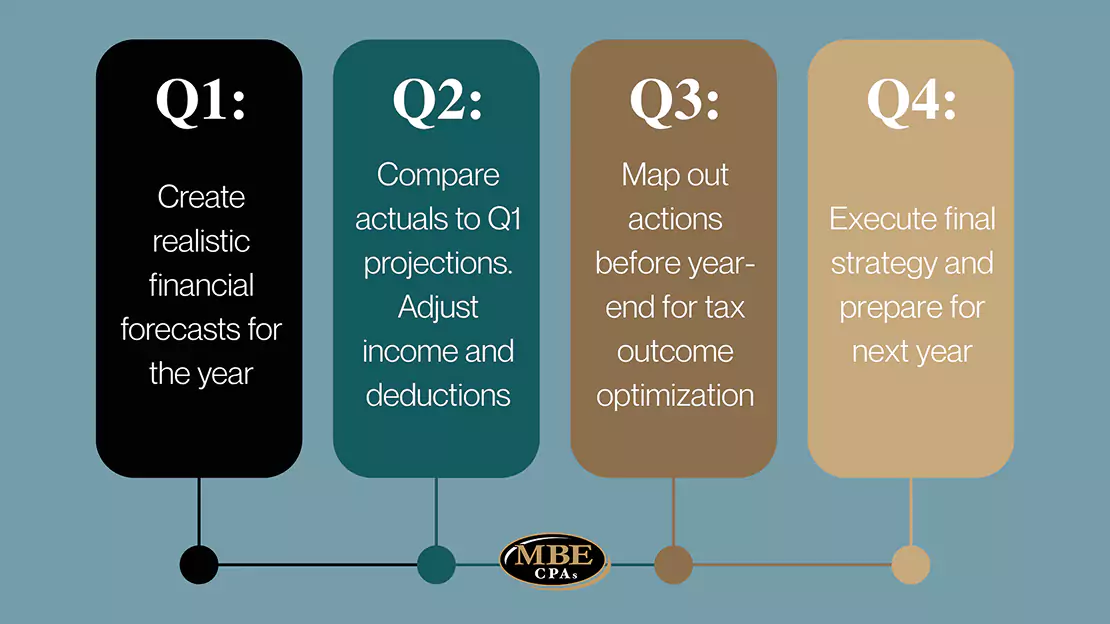
Remember, tax planning should be proactive, not reactive. We prioritize ongoing relationships with our clients. At MBE CPAs, your retirement plan will remain in mind with our monthly or quarterly check-ins.
Retirement and Financial Planning
- Distribution sequencing. Retirees need to choose which taxable accounts to draw from to ensure distributions fit under Wisconsin’s new exemption. Our sequencing strategies will reduce long-term tax burdens at the state and federal levels.
- Holistic wealth strategy. A coordinated plan can stretch retirement savings significantly further. MBE provides a view that includes Social Security timing, Roth conversions, and Medicare premium planning.
- Estate-level integration. Our strategy will incorporate a strategy to reduce taxable income while gifting or donating. Preserving your wealth and reducing future estate tax exposure is made possible with the new retirement income exclusion.
MBE Wealth treats retirement as a process, not a destination. Learn more about our approach to navigating retirement.
Conclusion
Wisconsin residents will feel the shift to tax-saving flexibility for retirees with Wisconsin Act 15. Retirees who will benefit the most are those who begin planning now. However, maximizing these benefits requires careful planning and coordination with other tax strategies.
At MBE CPAs, we help retirees navigate and take full advantage of Wisconsin laws. Let us analyze your projections and guide you through Wisconsin’s 2025 tax changes. Regular reviews and adjustments won’t just save you money, it will create additional opportunities to boost your overall financial strategy.