Tax season can be frustrating when you need to explain why your registered Angus bull is valued higher than your neighbor’s, or why the worth of your heifer changes based on her health and breeding status. Bankers often require your financial statements to reflect current values, not just historical costs.
The exhaustion shows when clients try to balance the complexities of livestock accounting. Your herd isn’t static inventory sitting on a shelf. These animals grow, age, reproduce, get sick, and respond to market forces in ways that challenge even experienced accountants. I’ve watched farmers get overwhelmed trying to factor in mortality rates, breeding investments, and feed costs that climb relentlessly while managing the financial demands of their operations.
Market volatility hits agriculture especially hard. Price swings affect your bottom line, regulations keep shifting, and operational challenges seem to multiply faster than solutions emerge. While cattle prices are expected to rise, that underlying volatility remains a constant threat. Through my work with operations large and small, I’ve learned that proper agriculture accounting practices go beyond regulatory compliance. They determine whether your operation builds lasting success or struggles to stay afloat.
But what if your current livestock records are costing you thousands in missed opportunities and tax savings you don’t even know exist?
Learn How Your Profits May Be at Risk
What Are the Challenges of Livestock Valuation?
Why Is a Herd Not Just a Simple Inventory of Animals?
Valuing livestock is harder than valuing other farm products. Grain is easy to price, but with livestock, you have to think about many factors that affect what they’re worth:
- Age and maturity stage – A weaned calf carries vastly different value than a mature breeding bull.
- Weight categories – Market classifications often depend on specific weight ranges.
- Genetic lineage – Registered animals with documented breeding history command premium pricing.
- Health status and vaccination records – Current health directly affects marketability.
- Market classification – Feeder cattle, breeding stock, and market-ready animals each follow different valuation principles.
These factors add to a dynamic valuation scenario, challenging the accuracy of standard cost-based accounting in reflecting your operation’s true financial position.
Should You Use Fair Value or Cost Basis Accounting?
Deciding between fair value and cost accounting can have a major influence on your financial statements and farm tax obligations. Each method has its own strengths, depending on your operational goals.
- Cost Basis Accounting: Records livestock at original purchase price plus additional costs. It provides predictable, verifiable asset values and simplifies record-keeping, but may understate current asset values in appreciating markets.
- Fair Value Accounting: Reflects current market conditions in financial statements, delivering a more precise representation of operational value. This method requires regular market assessments and can create tax implications when values fluctuate.
When Is It Best to Consider Fair Value?
Fair value accounting is especially beneficial for operations with major financial investments in breeding animals or those seeking external financing, as lenders often prefer current animal values. It’s essential to work with a tax advisor, as fair value adjustments may accelerate income recognition, requiring thorough preparation and consideration.
How Can You Manage Mortality Risk?
What is the Hidden Cost of Livestock Operations?
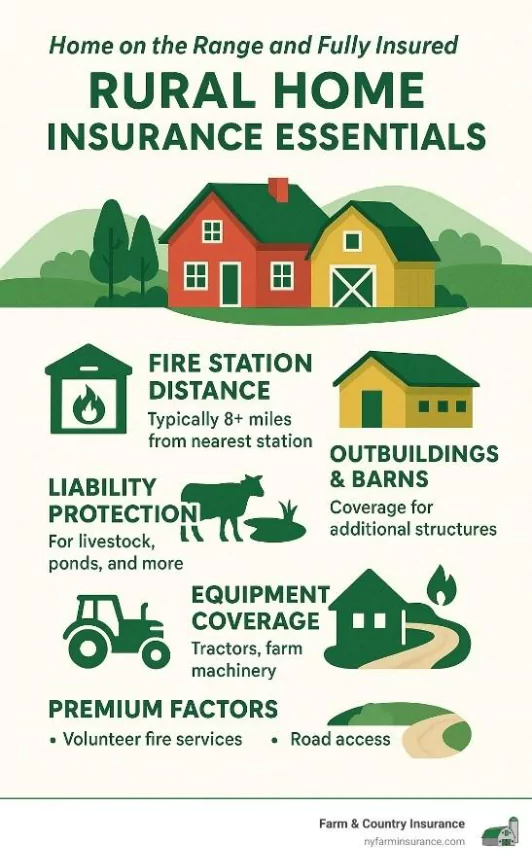
Animal mortality represents one of the most unpredictable yet inevitable costs in livestock operations. To protect against these losses, producers can utilize various insurance policies. While general livestock mortality insurance covers death from specific, named perils, a more comprehensive “all risks mortality” policy protects against a wider range of events, offering more extensive financial protection.
How Do You Account for Mortality Losses?
Proper mortality accounting requires a well-planned approach that protects both cash flow and financial reporting accuracy:
Immediate Actions:
- Document all mortalities with date, cause, and estimated value.
- Photograph deceased animals for insurance and tax documentation.
- Maintain veterinary records supporting the cause of death.
- Calculate book value at the time of loss for accurate write-offs.
Insurance Considerations:
- Evaluate coverage levels based on individual animal values.
- Review policy terms for exclusions and waiting periods.
- Document pre-existing conditions that might affect claims.
- Consider blanket coverage for large uniform groups.
Tax Implications:
- Mortality losses typically qualify as ordinary farm deductions.
- Proper documentation supports deduction claims during audits.
- Consider the timing of loss recognition for optimal tax planning.
Which Performance Metrics Drive Financial Success?
Integrating performance metrics with your accounting system transforms them into practical management tools that reveal where your operation could grow.
- Reproduction Metrics: Weaning rates, conception rates, and calving intervals.
- Growth Performance: Average daily gain, feed conversion ratios, and days on feed.
- Financial Integration: Cost per pound of gain, revenue per breeding female, and feed cost as a percentage of total production costs.
Monitoring feed conversion ratios alongside feed costs, for example, highlights where your operation is productive and where improvements are possible. Regular performance analysis helps identify trends before they become problems.
How Do You Connect Performance to Profitability?
Integrating these performance metrics with your accounting system transforms them into practical management tools. For instance, monitoring feed conversion ratios alongside feed costs highlights areas where your operation is productive and where improvements are possible.
Regular performance analysis helps identify trends before they become problems. A declining weaning rate might indicate nutritional deficiencies, disease pressure, or breeding program issues that require immediate attention and financial investment.
What Are the Best Practices for Technology and Record-Keeping?
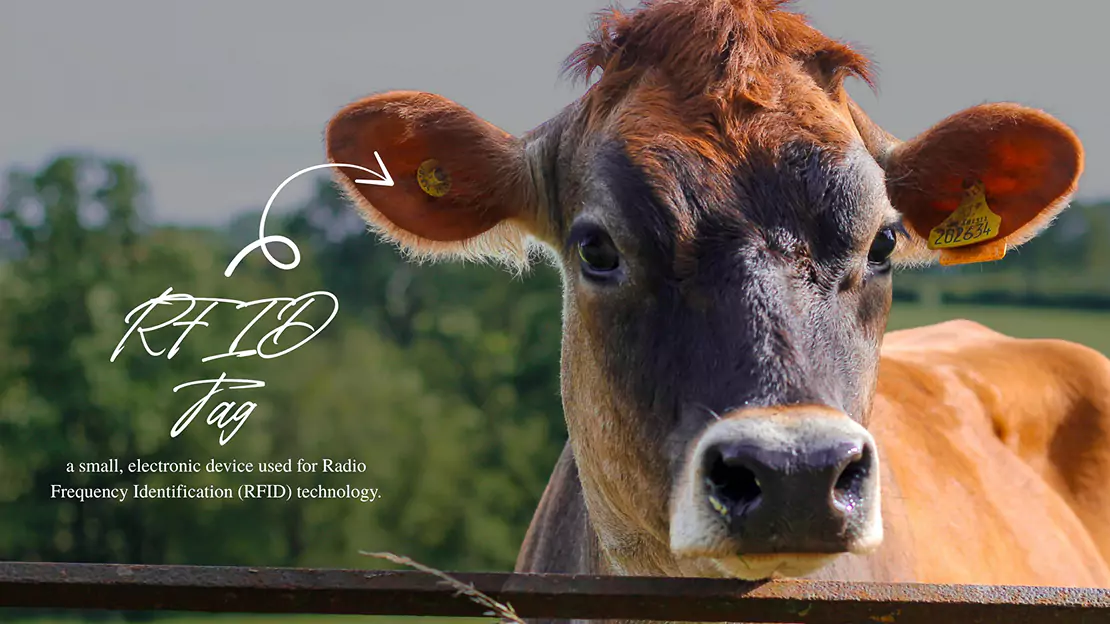
Maximizing the value of your performance data requires accurate record-keeping. Technology now plays an important role in linking operational insight with accurate accounting. The use of RFID tags and accounting software helps connect animal and financial data, a process that requires comprehension beyond basic bookkeeping.
Essential Record-Keeping Elements:
- Individual animal identification and tracking.
- Purchase and sale documentation with weights and grades.
- Veterinary and medication records.
- Feed consumption and cost allocation.
- Breeding and reproduction records.
Integration Opportunities:
- Electronic identification systems for automated data collection.
- Software solutions that connect operational data with accounting records.
- Mobile applications for field data entry and real-time updates.
- Cloud-based systems for secure data backup and remote access.
Learn How Technology Can Be Used For Your R&D Tax Credit
How Can Risk Management and Financial Planning Protect Your Farm’s Future?
Successful livestock accounting extends beyond compliance to include proactive risk management that protects your operation’s financial foundation.
- Price Risk Management: Forward contracting for predictable cash flow, and futures and options positions to protect against adverse price movements. For producers concerned about market volatility, the USDA offers the Livestock Risk Protection Insurance Policy, which provides a safety net against declines in market prices.
- Operational Risk Mitigation: Comprehensive insurance coverage for property, liability, and livestock, and emergency fund planning for unexpected events.
- Advisory Relationships: Regular communication with a financial team familiar with agricultural tax law, livestock valuation, and industry-specific issues helps identify opportunities for improvement.
Preparing for Success
Livestock accounting will continue to advance as technology progresses and regulatory requirements change. Producers who maintain accurate, timely financial information will be better equipped to adapt and succeed in this dynamic market.
How MBE CPAs Can Support Your Livestock Operation
Understanding livestock accounting doesn’t have to be a solo journey. Kevin Block and the MBE CPAs team specialize in helping agricultural producers like you master the financial side of livestock operations while you focus on what you do best: raising quality animals and building successful enterprises.
Specialized Services for Livestock Producers
- Cost Analysis and Inventory Management Support – We help you establish proper valuation methods and tracking systems for raised livestock that accurately reflect your herd’s true worth.
- Tax Planning and Consulting – We provide tailored guidance to manage the difficult timing implications of fair value accounting and mortality loss deductions, minimizing your tax burden.
- Financial Planning and Statement Preparation – We create a farm balance sheet and financial statement that satisfies lenders while accurately representing your operation’s value and performance.
- Budgeting and Cash Flow Management – We develop forecasting models that account for livestock market volatility and seasonal cash flow patterns.
- Bookkeeping Services – We implement systems that properly categorize livestock transactions and maintain compliance with accounting standards.
Don’t let accounting uncertainties hold your operation back. Contact MBE CPAs today to schedule a consultation with our agricultural specialists and build a stronger financial foundation for your business.