As a small business owner, you’ve got a million things on your plate. From product development to marketing, customer service to managing your team, it can feel like you’re constantly juggling. And then, there’s the complicated world of sales tax. The words “sales tax” probably don’t spark joy for most people, but getting it right is crucial to your business’s health and longevity.
At MBE CPAs, we’re experienced in guiding small business owners through the challenges of sales tax, and we’re here to help you. This blog will be your guide to understanding, calculating, and remitting sales taxes without losing too much time or incurring hefty penalties.
State and Local Regulations
One of the biggest challenges with sales tax is its patchwork of rules. Unlike federal income tax, sales tax is regulated mainly by states and frequently by local jurisdictions. This means what applies in California might be completely different in Texas, and even within the same state, different cities or counties can have their own rules.
This combination of regulations can be overwhelming. You should be aware of:
- Which states you’re required to collect sales tax in.
- What items are taxable (and which are exempt).
- The specific rates for each jurisdiction where you operate.
Nexus: The “Where” and “When” of Sales Tax
Simply put, nexus is the connection your business has with a state that triggers the requirement to collect and remit sales tax. In the past, this meant having a physical presence in that state, a brick-and-mortar store, an office, or employees. However, the game changed significantly with the 2018 Supreme Court ruling in South Dakota v. Wayfair. Now, even if you don’t have a physical presence, you can establish an economic nexus if your sales activity in a particular state exceeds a certain threshold.
This is a big deal for e-commerce businesses. What was once a relatively straightforward “physical presence” rule has become much broader. Regularly reviewing your sales data against state-specific economic thresholds is important. Don’t assume you’re not responsible just because you don’t have a storefront there.
Which Items Are Taxable?
While many goods and services are subject to sales tax, there are often exemptions. These can vary widely by state and even by industry. Common exemptions include:
- Resale certificates: If you’re selling to another business that will resell the item, they typically provide you with a resale certificate, and you don’t charge them sales tax.
- Certain necessities: In some states, food, prescription medicine, and clothing are often exempt or taxed at a lower rate.
- Services: Many services are exempt from sales tax, though an increasing number of states are starting to tax certain services.
Knowing what’s exempt prevents you from collecting unnecessary tax.
Calculating and Remitting: Getting it Right
Once you’ve determined where and on what you need to collect sales tax, the next step is accurate calculation and timely remittance.
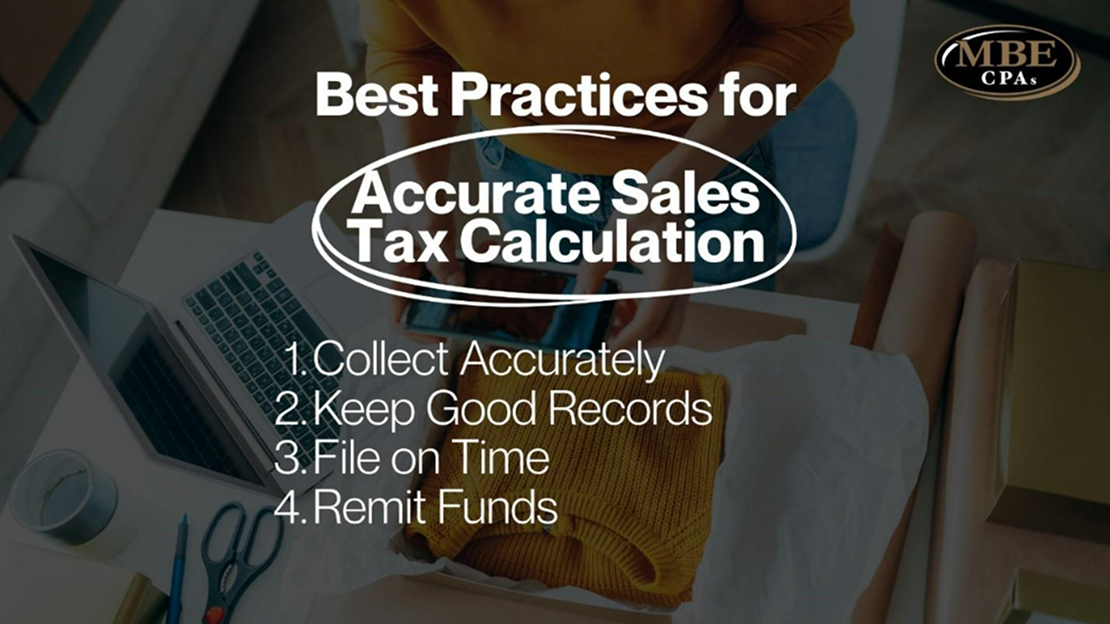
- Collect Accurately: This means ensuring your point-of-sale (POS) system or e-commerce platform is correctly configured to charge the right sales tax rates for the right items in the right locations.
- Keep Good Records: You need to track all sales, sales tax collected, and any exemptions applied. This documentation is helpful in case of an audit.
- File on Time: Each state will assign you a filing frequency (monthly, quarterly, annually) based on your sales volume. Missing deadlines can lead to fines, hurting your profits and growth.
- Remit Funds: Send the collected sales tax to the appropriate state and local tax authorities.
How Can I Avoid Sales Tax Penalties?
The tax authorities don’t mess around when it comes to sales tax. Penalties for non-compliance can be steep and include:
- Late filing penalties: For every period you’re late.
- Late payment penalties: Interest accrues on unpaid taxes.
- Audit assessments: If an audit uncovers underpaid tax, you’ll owe the difference plus penalties and interest.
- Criminal charges: In extreme cases of willful evasion.
The best way to avoid these obstacles is to be proactive, stay organized, and avoid ignoring your sales tax obligations.
How to Leverage Automation
All of this would take up a considerable amount of your time as a business owner if you tried to do it manually. This is where automation tools become your sales tax superpower.
Modern accounting software and specialized sales tax compliance platforms offer several key benefits:
- Automatically determine nexus: Analyze your sales data to identify where you have tax obligations.
- Calculate sales tax rates: Accurately apply the correct rate to every transaction, no matter where your customer is located.
- Track and apply exemptions: Ensure that all eligible exemptions are properly managed and accounted for.
- Generate accurate reports: Streamline tax filing with comprehensive documentation.
- Integrate with e-commerce platforms and POS systems: Enable seamless data flow and operational efficiency.
Investing in these tools can save time, minimize errors, and provide greater peace of mind. Although there is an upfront cost, the long-term savings in time and avoided penalties outweigh the expense.
Take Control of Your Sales Tax Compliance with MBE CPAs
As a small business owner, your energy should be dedicated to growing your business and serving your customers, not getting bogged down by the complexities of state and local sales tax laws, confusing rules, or unpredictable product exemptions. Failing to manage this crucial aspect of your business can lead to audits and penalties that undermine your hard-earned profits. With the right combination of professional insight and advanced automation, sales tax compliance becomes a worry-free part of your business strategy. Don’t let compliance fears limit your potential. MBE CPAs is ready to provide the clear guidance and strategic support you need to confidently manage sales tax regulations, leverage automation, and have accurate and timely calculations every time.
Ready to Achieve Sales Tax Peace of Mind?
Stop second-guessing your compliance. Contact MBE CPAs today for a consultation and take the first step toward reliable sales tax management.