The Ready-to-Drink (RTD) market isn’t just growing; it’s exploding. Widely driven by a shift in consumer preferences towards convenience, premiumization, and innovative flavor experiences. According to a report by Fact.MR, the RTD alcoholic beverage market alone is predicted to soar to a staggering $28.76 billion by the end of 2034. For manufacturing clients operating in this sector, this boom presents large opportunities as well as some challenges. In this blog, we’ll discuss three core pillars essential for thriving amidst the RTD frenzy: supply management, inventory management, and pricing strategies. At MBE CPAs, we are ready to help manufacturers optimize their operations.
How Supply Chain Optimization Powers RTD Growth
Sourcing & Supplier Relationships
When we talk about the RTD market, the spotlight often shines on exciting new flavors or eye-catching packaging. However, there is one component that can make or break a brand’s profitability: the supply chain. A finely tuned supply chain isn’t just about moving products; it’s about strategy, cost efficiency, and partnerships.
- Ingredient and Packaging Costs: Identify cost-effective suppliers who can consistently deliver without compromising on quality. Manufacturers must be aware of the impact of raw material fluctuations, which can significantly affect production costs and profitability.
- Diversification & Risk Mitigation: Relying on a single supplier, particularly for imported ingredients or specialized packaging, can make your operation more vulnerable. Local alternatives and creating a diverse network of suppliers can provide a buffer against unexpected disruptions.
- Co-packing & Manufacturing Partnerships: Experienced co-packers bring state-of-the-art facilities and the ability to scale production quickly to meet fluctuating demand. When joining partnerships, consider their ability to meet precise specifications, align with your budget, and adhere to rigorous quality control standards.
Logistics & Distribution Efficiency
Once your product is perfectly crafted and packaged, the next challenge is getting it from your facility to the hands of consumers. Optimizing how your products move through the supply chain is crucial for profitability and market share.
Being in this expanding market often means embracing a multi-channel distribution strategy. This involves carefully weighing the pros and cons of traditional retail versus a direct-to-consumer (DTC) model and then finding the right balance between the two.
The most successful RTD brands often employ a hybrid approach. This might involve leveraging traditional retail for broad market penetration while using DTC to build brand loyalty, offer exclusive products, and gather direct consumer feedback. The key is to understand your target audience and where they prefer to purchase, then deliberately allocate resources to each channel.
Discover Your Manufacturing Potential
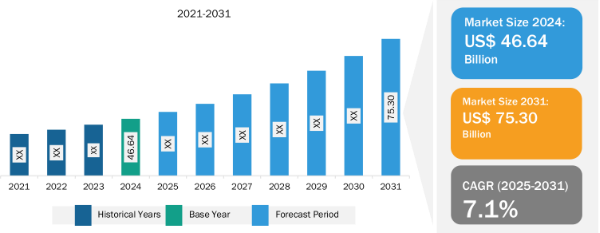
Source: Globe Newswire
Balancing Supply and Demand with Smart Inventory Management
Productive demand forecasting and planning begins with utilizing evidence-based findings and analyzing historical sales data with current market trends to predict future demand. This isn’t just about understanding what sold yesterday but what consumers will want tomorrow, examining broader economic shifts and competitor activities.
Additionally, demand forecasting considers seasonal and trend-based adjustments. Agile forecasting helps you manage your inventory better. It can increase production of summer drinks. It also helps with limited edition releases. Plus, it allows you to adapt quickly to new flavor trends. This way, your inventory matches what the market needs.
Once demand is accurately predicted, the next step is improving your warehouse and strategies. Modern warehousing relies heavily on technology. Well-ordered inventory management software is now a necessity, providing real-time tracking of every SKU, generating batch records for quality control, and ensuring complete traceability from raw material to finished product.
Pricing for Maximum Profitability
Maximizing profitability is part of any successful RTD business, and strategic pricing is the basis for achieving this goal.
- Understanding Your Cost of Goods Sold (COGS): The foundation for pricing and maximum profitability. COGS goes beyond the obvious expenses and accounts for every direct cost of producing your product. This includes the raw materials and ingredients that make up your product, the direct labor involved in manufacturing, the cost of packaging, shipping costs for ingredients and finished products, any licensing fees, and even a portion of marketing expenses directly attributable to each unit sold.
- Value-Based Pricing: Required for justifying higher price points and managing consumer expectations. For premium RTDs, superior branding, unique flavors, and the use of high-quality, often natural or craft ingredients create a perception of quality that warrants a higher price. By communicating these premium attributes, brands can meet consumer expectations and differentiate themselves.
- Competitive Pricing & Market Positioning: This involves thorough competitor analysis to understand existing price structures and identify untapped market opportunities. Developing flexible price tiers and discounts for wholesale, on-premises, and direct-to-consumer channels to maximize reach and profitability. Additionally, promotional strategies must drive trial and sales without undermining the brand’s perceived value, ensuring that discounts are seen as added benefits rather than signals of lower quality.
Sustaining the RTD Momentum Going Forward
Successfully navigating the growing Ready-to-Drink (RTD) market relies on a holistic approach to supply chain management, inventory optimization, and strategic pricing. By integrating these areas, brands can ensure product availability, control costs, and effectively position themselves for profitability.
MBE CPAs is here to help our clients:
- Simplify inventory and margins
- Monitor costs
- Assist with compliance
- Track efficiency